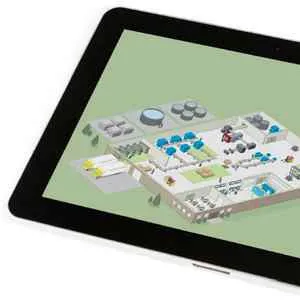
A Complete Guide to Air & Gas Compressors: Types and Applications

A wide spectrum of industries implements air and gas compression systems from manufacturing and healthcare to energy and transportation. The technology behind industrial air compressors technology has undergone substantial advancement to deliver better system effectiveness together with reliable operation and improved performance capabilities. But what exactly makes these machines indispensable? Which gas compression technologies match business needs in specific industrial sectors? The article explains compressor classifications together with their utilization scenarios and shows how their working systems function.
Understanding Industrial Air Compressors
The fundamental function of industrial air compressors consists of transforming power into pressurized air energy through compression. The compressed air becomes a power source for both industrial tools and essential industrial manufacturing applications in automotive, pharmaceutical and food processing plants. Many aspects of industrial compression systems determine what type of compressor should be applied among pressure demands and operation durations and production requirements.
The Science behind Gas Compression Technology
The fundamental principle of gas compression technology serves multiple economic sectors such as the oil and gas industry combined with chemical processing and heating ventilation air conditioning (HVAC) systems. These compressors increase gas pressure levels of oxygen, nitrogen, natural gas to support their transportation, storage and use throughout different industrial applications. Industrial systems use gas compression efficiency to determine energy consumption levels as well as operational costs.
1. Exploring Reciprocating Compressor Types
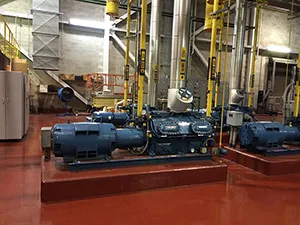
Several industries depend on reciprocating compressors for their compression operations. Multiple-stage compression occurs when air or gas gets compressed using cylinders that contain pistons to perform this operation. Manufacturing plants together with refineries depend on reciprocating compressor types because these devices possess strong construction along with capability to work as needed. Sound operation of reciprocating compressors depends on scheduled maintenance combined with appropriate lubrication of air compressors.
2. The Reliability of Rotary Screw Compressors
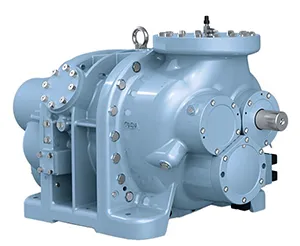
Machine operations with continuous demand find their perfect solution through rotary screw compressors because they deliver exceptional reliability performance. The efficient compression process from helically arranged interlocking screws makes these compressors optimal for use in factories and processing plants requiring stable air supply.
The compressor range of Atlas Copco includes both oil-free and oil-injected models which customers can select based on operational purity standards. Low maintenance expenses for rotary screw compressors outnumber those of reciprocating compressors which drives industries toward their selection.
3. Centrifugal Compressor Applications in Modern Industries
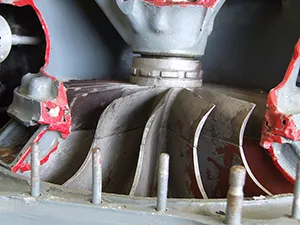
Centrifugal compressors find their applications throughout power generation plants and HVAC facilities as well as manufacturing operations at a large scale. The operation of these compressors depends on a spinning impeller to accelerate air until it develops pressure through kinetic energy. Industrial cooling systems together with transportation infrastructure for natural gas depend on centrifugal compressors to process high volumes of airflow. Because of their engineering design compressors maintain a low mechanical wear rate which extends operational lifespan and reliability.
4. The Role of Oil-Free Air Compressors in Sensitive Environments
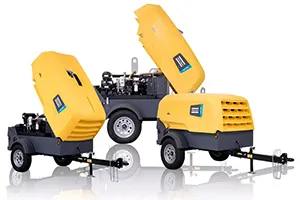
The needs of businesses which depend on precise air cleanliness drive their selection of oil-free air compressors. Three important manufacturing sectors that need compressed air with no oil traces consist of pharmaceuticals together with food manufacturing and electronics. The absence of oil residues delivered by oil-free air compressors supports industries to achieve both strict regulatory compliance and peak operational performance.
5. High-Pressure Gas Compressors for Specialized Uses
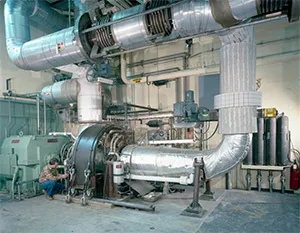
The demands of particular industrial applications need machines that can generate extremely high pressures so high-pressure gas compressors have emerged to solve these needs. These compressors embody crucial support for gas pipeline compression as well as operation support in both refineries and chemical plants throughout the energy sector. High-pressure gas compressors play a vital role in the operations of military operations through their use in propulsion systems and advanced research projects in aerospace.
6. The Efficiency of Compressed Air Systems
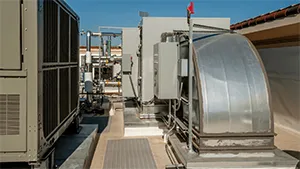
Dreading energy costs and seeking optimal productivity starts with carefully designed compressed air system implementation. The key elements for maintaining operational efficiency include correct equipment dimensions and leak inspection and proper compressor fluid maintenance. The implementation of energy audits enables multiple business sectors to enhance their compressed air systems which lowers operational expenses without compromising performance levels.
7. Portable Air Compressors for Versatile Applications
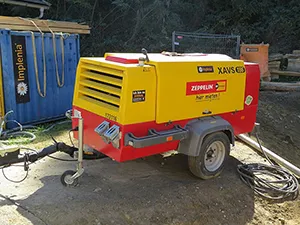
Portability stands as a vital requirement throughout multiple industrial and commercial operations so portable air compressors prove highly beneficial. Operations in construction sites as well as automotive workshops and fields use portable air compressors to obtain mobile power at their worksites.
Mobility is a key requirement in many industrial and commercial settings, making portable air compressors invaluable. Construction sites, automotive workshops, and field operations often rely on portable air compressors for on-the-go power. Miniature compressed air units enable users to work freely from stationary installations while maintaining access to compressed air.
8. The Innovation behind Scroll Compressor Efficiency
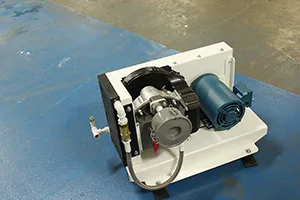
The efficiency of scroll compressors has transformed air compression operations in heating ventilation and air conditioning and medical applications. The reduced number of moving parts within scroll compressors consumes less energy while lowering measurements of friction throughout operation. Their slim construction combined with their noiseless operation enables optimal use in climate control systems together with precise manufacturing environments.
9. Blower vs. Compressor Differences: What You Need to Know

Compressor vs. blower distinction stands as one of the major queries in industry operations. Both mechanisms create airflow however their production of pressure differs with different usage applications. Blowers work best at atmospheric levels of pressure while generating high volume output which suits ventilation mechanics and aeration arrangements. Industrial operations utilize compressors because they create elevated pressure levels that enable gas pipeline compression and operate pneumatic tools.
10. Refrigeration Compressor Types for Cooling Applications
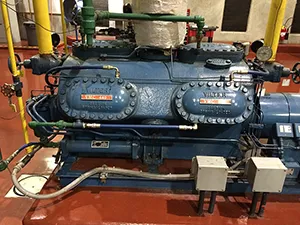
The different types of refrigeration compressors used in cooling systems serve individual operational purposes. Rotary screw along with scroll and reciprocating compressors and centrifugal compressors serve as dominant components in refrigeration and air conditioning systems. Industry sectors maintaining food preservation and pharmaceuticals depend on correct selection of refrigeration compressor types for achieving reliable high efficiency cooling performance.
11. The Significance of Natural Gas Booster Compressors
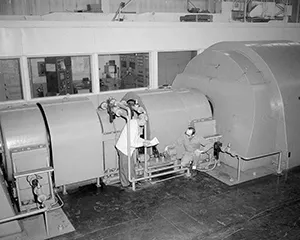
The operation of natural gas booster compressors elevates gas pressure for its subsequent use in pipelines or storage containers. These compressors operate as fundamental elements of natural gas distribution systems thus ensuring constant and dependable flow of gas. Compression efficiency of natural gas booster systems determines how affordable transporting gas will be.
12. The Role of Vacuum Pump Compressors

Medical suction systems and semiconductor manufacturing benefit from vacuum pump compressors that establish negative pressure areas. Scientific research together with cleanroom operations relies on their air and gas removal capability to operate efficiently.
13. Turbo Compressor Advantages in High-Speed Operations

The main benefits of turbo compressors are based on their ability to operate with speed as well as efficiency. These compressors work through dynamic compression at high speeds to create fast pressure increases which makes them best suited for jet engines together with industrial air processing systems. New-age application adoption benefits from turbo compressor advantages through their lightweight configuration along with their power-to-weight ratio benefits.
14. The Importance of Air Compressor Lubrication
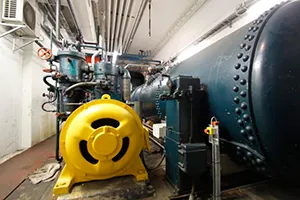
The correct application of lubrication for air compressors works to protect mechanical elements from wear and tear damage. The maintenance expenses decrease and equipment life span increases by implementing both synthetic and mineral-based lubricants into air compressor systems.
15. Multi-Stage Compression Systems for Enhanced Performance
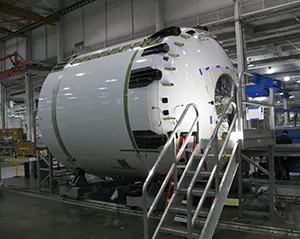
The lack of adequate compression from one-stage compression systems leads to the application of multi-stage compression systems. A multi-stage compression process operation with intercooling improves system efficiency while reaching higher pressure levels. The aerospace industry along with high-end manufacturing sectors achieves optimal results by implementing multi-stage compression systems for their operations.
16. Hydraulic Air Compressors for Heavy-Duty Applications
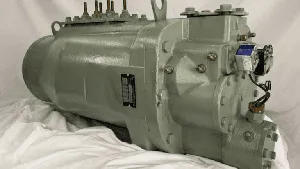
Heavy-duty operations depend on hydraulic air compressors for their needed robust physical strength. These compressors use hydraulic power for efficiency enhance so they function well in mining and construction and offshore drilling applications.
17. Industrial HVAC Compressors for Climate Control
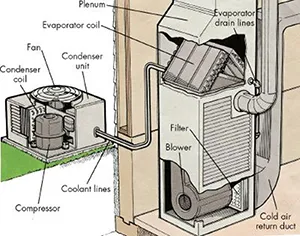
The climate control systems in large industrial facilities function through industrial HVAC compressors. The compression systems maintain environmental conditions within commercial as well as industrial and medical facilities. Industrial HVAC compressors require proper selection because it directly impacts energy efficiency alongside occupant comfort.
Energy Efficiency in Compressors: A Key Focus Area
The efficient use of energy within compressors takes precedence over other matters because of growing energy expenses while eco-consciousness increases. High-tech compressor arrangements and automated speed control systems together with optimized compressed air networks function to lower energy usage in facilities. The modern industry selects energy-efficient technology solutions to achieve better performance combined with reduced environmental impact.
Final Thoughts
The industrial application space of air and gas compression remains huge because engineers make continuous advancements in this domain. Industry success depends on choosing appropriate compressor technologies among reciprocating and turbo variants because it leads to efficient performance results. The evaluation of natural gas booster compressor systems for power transmission together with portable air compressor systems for field operations leads to maximum system performance. Industrial advancement requires improved sustainable compressed air systems so technological progress will maintain its momentum.
 Our Services
 Media Pack Download
 Newsletters
 Industrial Events